Dr. Tina Hoff
DNP, APRN, FNP-C
Empowering Individuals for Autonomous Living

Evidence of Professional Development

Domain 1: Knowledge of Practice
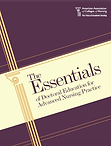
Integrates, translates, and applies established and evolving scientific knowledge from diverse sources as the basis for ethical clinical judgement, innovation, and diagnostic reasoning.
Domain 2: Person-Centered Care
Uses evidence-based and best practices to design, manage, and evaluate comprehensive person-centered care that is within the regulatory and educational scope of practice. Fundamental to person-centered care is respect for diversity, differences, preferences, values, needs, resources, and determinants of health unique to the individual.
Domain 3: Population Health
Partners, across the care continuum, with public health, healthcare systems, community, academic community, governmental, and other entities to integrate foundational NP knowledge into culturally competent practices to increase health promotion and disease prevention strategies in effect the care of populations.
Domain 4: Practice Scholarship and Translational Science
Generates, appraises, synthesizes, translates, integrates, and disseminates knowledge to improve person-centered health and systems of care.
Domain 5: Quality and Safety
Utilizes knowledge and principles of translational and improvement science methodologies to improve quality and safety for providers, patients, populations, and systems of care.
Domain 6: Interprofessional Collaboration in Practice
Collaborates with the interprofessional team to provide care through meaningful communication and active participation in person-centered and population-centered care.
Domain 7: Health Systems
Demonstrates organizational and systems leadership to improve healthcare outcome.
Domain 8: Technology and Information Literacy
Envisions, appraises, and utilizes informatics and healthcare technologies to deliver care.
Domain 9: Professional Acumen
Demonstrates the attributes and perspectives of the nursing profession and adherence to ethical principles while functioning as a committed equal partner of the interprofessional health care team.
Domain 10: Personal and Professional Leadership
Participates in professional and personal growth activities to develop a sustainable progression toward professional and interpersonal maturity, improved resilience, and robust leadership capacity.
Primary Care - 450 hours
Primary care clinicals are supervised, hands-on experiences in outpatient settings where students apply classroom knowledge to real patients across the lifespan. During these rotations, students perform focused and comprehensive health assessments, help diagnose and manage common acute and chronic conditions, and participate in health promotion and disease prevention activities such as screenings, immunizations, and patient education. They also learn to work within an interprofessional team, coordinate care, and develop professional communication and clinical decision-making skills needed for independent primary care practice.
Women's & Peds - 200 hours
Women’s health clinicals focus on providing holistic reproductive and gynecologic care, including well-woman exams, contraception counseling, prenatal and postpartum care, and management of common gynecologic and sexual health concerns across the lifespan. Pediatric clinicals center on assessing and managing health needs of infants, children, and adolescents through well‑child visits, growth and developmental screening, immunizations, acute and chronic illness care, and family-centered health education.
Behavior Health - 100 hours
Behavioral health clinicals consist of supervised experiences in outpatient mental health settings where students observe assessments, diagnoses, and manage acute and chronic psychiatric conditions using evidence-based interventions, therapeutic communication, and psychopharmacologic management. These rotations emphasize developing skills in comprehensive psychiatric interviewing, suicide and safety risk assessment, treatment planning, and collaboration with an interprofessional team to support patient stabilization, recovery, and ongoing care.
Endocrinology - 100 hours
Endocrinology clinicals consist of supervised experiences in outpatient settings where students evaluate and manage common endocrine disorders such as diabetes, thyroid disease, osteoporosis, lipid disorders, and obesity, while learning to recognize and begin workups for less common hormonal conditions. During these rotations, students refine skills in detailed history taking, focused endocrine physical exams, interpretation of relevant laboratory and imaging studies, and development of evidence-based treatment and education plans in collaboration with the endocrine care team
Neurology - 50 hours
Neurology clinicals consist of supervised outpatient experiences where students evaluate and manage common and complex neurological conditions, such as stroke, seizures, headache, neuropathy, and movement disorders, using detailed neurologic histories, focused neurologic examinations, and appropriate diagnostic studies. These rotations emphasize lesion localization, development of differential diagnoses, initial management of neurological emergencies, and collaboration with neurology and interprofessional teams to optimize patient function and quality of life.
Orthopedics - 100 hours
Orthopedics clinicals consist of supervised experiences in outpatient clinics and surgery settings where students evaluate and manage common musculoskeletal conditions and injuries, including fractures, sprains, degenerative joint disease, and overuse syndromes. During these rotations, students build skills in musculoskeletal history taking and focused joint exams, interpretation of imaging such as X‑rays, initial stabilization and non‑operative management, and collaboration with orthopedic surgeons and rehabilitation services to support recovery and function.
Leadership - 75 hours
Leadership clinicals consist of immersive practicum experiences where DNP students apply advanced leadership and systems-thinking skills to real clinical and organizational settings, leading or contributing to quality improvement, evidence-based practice, and change projects that enhance care processes and outcomes. These experiences typically include working with executive and unit-level leaders, participating in committees and interprofessional teams, analyzing policies and workflows, and using data to plan, implement, and evaluate strategic improvements in health care delivery.
Skills List
-
Comprehensive health assessment and physical examination across the lifespan, including focused neurologic, musculoskeletal, and pediatric exams.
-
Diagnosis and management of common acute and chronic conditions in primary care, including hypertension, diabetes, hyperlipidemia, obesity, anxiety, and depression.
-
Preventive and wellness care, including annual and well‑child exams, sports physicals, immunization review, and age‑appropriate screening and counseling.
-
Women’s health services, including Pap smears, contraception counseling, IUD and implant management, prenatal and postpartum care, and well‑woman exams.
-
Pediatric care for infants through adolescents, including growth and developmental surveillance, acute illness management, and family‑centered education.
-
Behavioral health assessment and management, including screening for mood, anxiety, ADHD, and sleep disorders and initiating evidence‑based treatment plans.
-
Endocrinology and neurology management, including evaluation and follow‑up for diabetes, thyroid disease, headache, neuropathy, and movement disorders.
-
Orthopedic evaluation and conservative management of fractures, sprains, joint pain, and overuse injuries, including splinting, casting assistance, and joint injections/aspirations.
-
Office‑based procedures such as wet preps, wound and skin procedures (shave/punch biopsies, suturing/suture removal, cryotherapy, skin tag removal), and basic gynecologic procedures.
-
Interpretation and application of diagnostic studies, including labs, basic imaging, and standardized screening tools (e.g., MoCA) to guide clinical decision‑making.
-
Medication management across major therapeutic areas (endocrine, cardiovascular, psychiatric, pulmonary, infectious disease, and vaccines) with attention to safety and adherence barriers.
-
Interprofessional collaboration, care coordination, and leadership of clinical workflows and quality improvement initiatives in high‑volume outpatient and integrated care settings.